
Saving money online isn't about chasing every flash sale. It comes down to a few habits that work every time you check out. Here's what we tell friends and family.
Know the real price before you get excited
A "50% off" banner means nothing if the original price was inflated. Look for stores that show the regular price next to the sale price on every item, and compare it with what you'd pay elsewhere. On our site, every marked-down product shows both numbers and the dollar amount you save.
Stack a code on top of the sale price
Many stores block coupon codes on discounted items. Before you shop, check whether a code can stack. Ours can: PRIME10 takes 10% off the whole order, including items that are already on sale.
Use the free-shipping threshold, but don't overshoot it
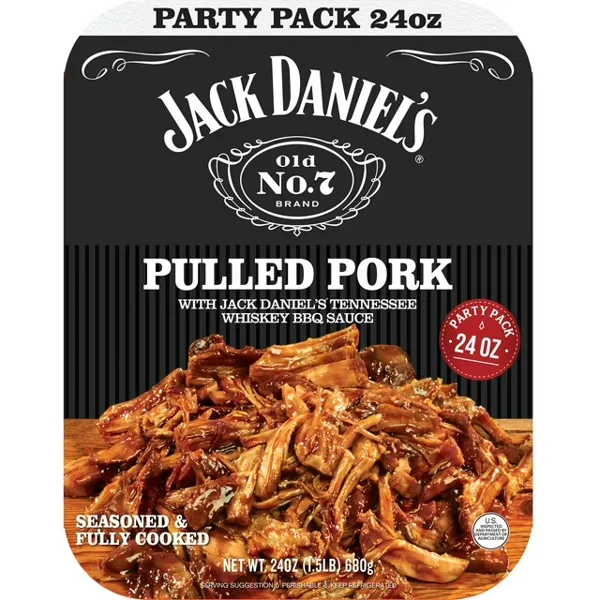
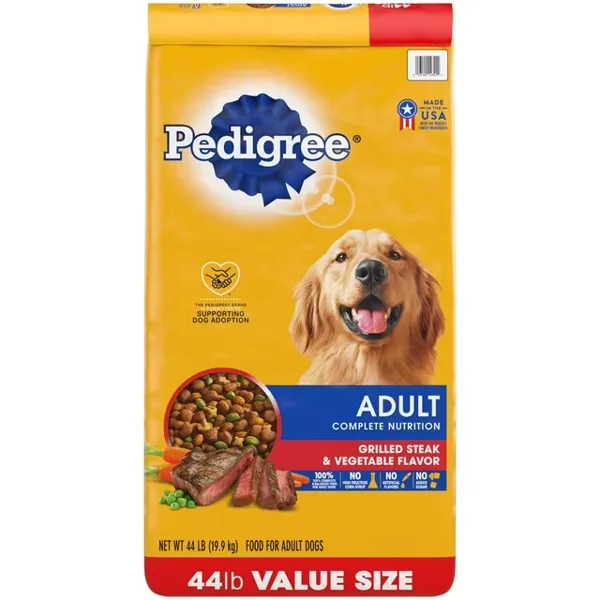
Shipping fees quietly eat into savings. If you're $8 short of free shipping, adding something you were going to buy anyway (pet food, snacks, a gift card) is smart. Adding something you don't need just to avoid a fee is not.
Pick the right code for the basket
- Small orders under $75: FREESHIP usually saves the most.
- Orders from $75 to $150: shipping is already free, so PRIME10 is the one to use.
- Orders from $150 to $250: SAVE25 takes off more than 10% would.
- Orders over $250: PRIME10 saves more than a flat $25.
Keep a wishlist and check it weekly
Save products you want but don't need right now. Prices move every week. When something on your list drops, you'll notice, and you'll buy on your terms instead of on impulse.
Gift cards are a budgeting tool
Buying a food-delivery or streaming gift card at the start of the month puts a ceiling on that spending. When it runs out, you're done until next month. It's an easy way to keep small purchases from adding up.
Sign up for one deal email, not ten
Inbox overload makes you ignore everything. Choose one or two stores you actually buy from and let their weekly email do the watching for you.